Tiger Photography in India
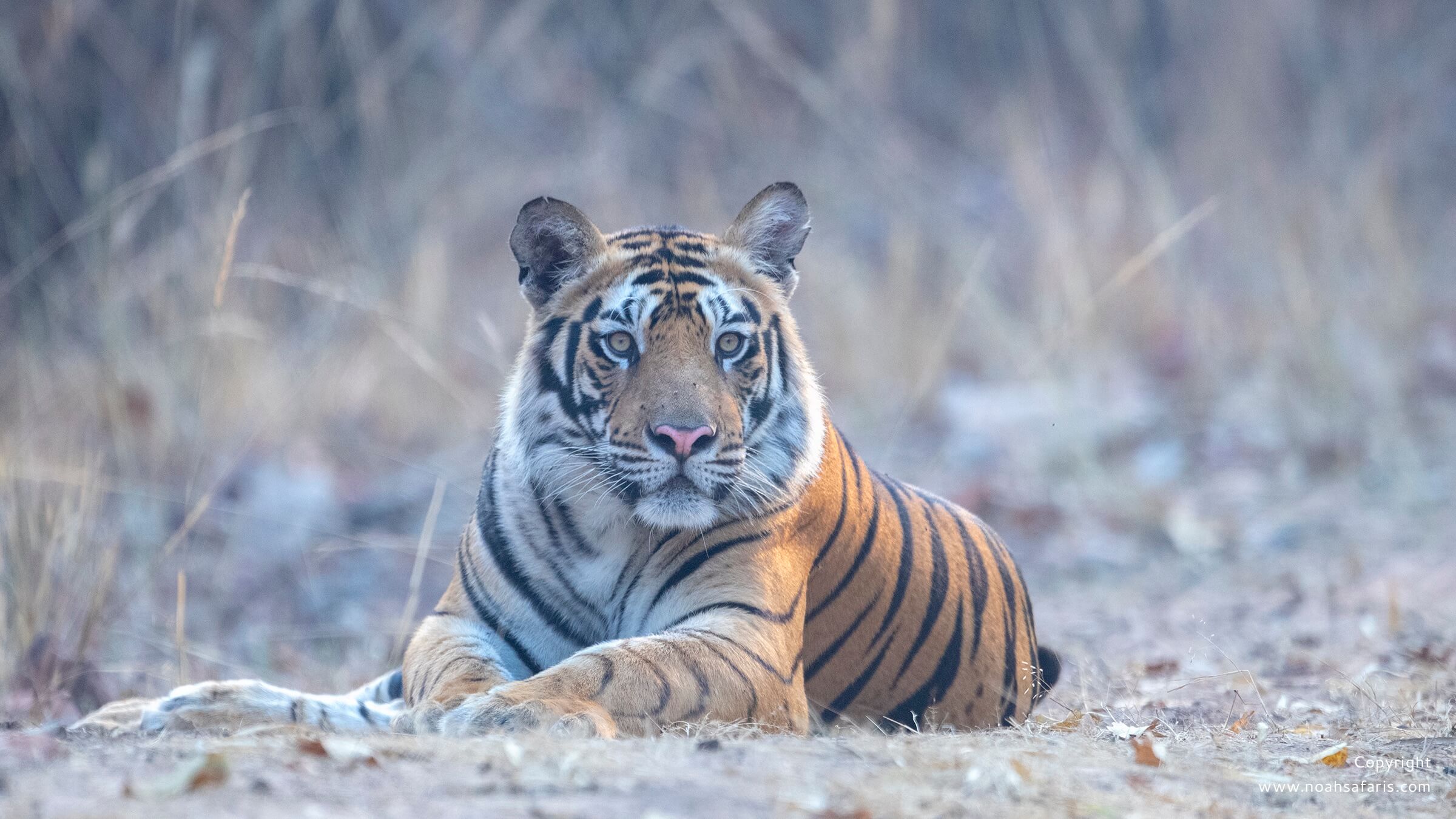
Photographing wildlife in the Indian sub-continent is thrilling as well as unpredictable. Unlike open savannahs of Africa, the national parks here are dense, dusty, rough, with changing lighting conditions. And tigers being elusive, territorial and solitary; sighting depends majorly on tracking skills (of drivers, guides, naturalists), often luck and timing. You might do several safaris scanning tiger territories, hearing alarm calls, pugmarks and finally catching it or empty handed. This uncertainty and unpredictability is what makes every sighting and photograph rewarding and memorable.
Most of the tiger safaris takes place early in the morning or late afternoon (except full day safaris), where lighting conditions vary – demanding fast lenses, accurately focusing camera bodies and a steady support (bean bag) at such moments.
Select the right Camera gear – What to Carry??
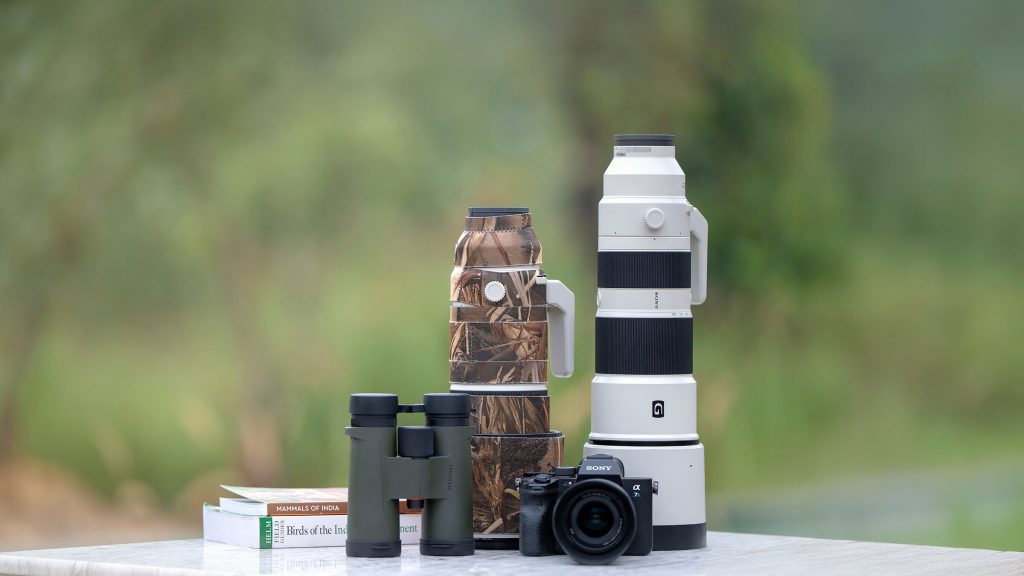
In todays AI outburst, mirrorless cameras provide incredible autofocus systems with features like subject tracking, eye detection, silent shutters and light weight gear– a huge advantage during long safari drives. A higher frame rate allows to capture sequences of action – from a tiger’s stroll, yawn, to chasing a deer. A larger buffer ensures the camera doesn’t freeze at critical moments.
Recommended Camera Bodies:
- Canon: R5II, R6III
- Nikon: Z9, Z5II, Z6III
- Sony: A7V, A7RV
We suggest to bring 2 Camera Bodies – A full frame and crop frame if possible !!
Choose the perfect Safari lens – Which lens are the best for Photography??
When it comes to jaw dropping images, your lens choice makes all the difference for once in a lifetime shot. Quick movements, thick foliage, and varying distances require lenses that offers both reach and flexibility.
For wildlife photography enthusiasts, or travellers the 200 – 600 mm zoom range is ideal providing the flexibility to frame close and distant sightings without constantly changing gear. For serious and professionals seeking unmatched clarity prime lenses like 300 or 400 with a TC (1.4 or 2x) is absolutely fine.
Wide apertures (f/2.8 to f/6.3) allow more light, while image stabilization/vibration reduction helps reduce shake when shooting handheld from a moving jeep
Recommended Lenses to Carry in India?
- Canon: RF 70 – 300mm f/2.8 IS, RF 400mm f/2.8 IS
- Nikon: Z 180–600mm f/5.6–6.3, Z 400mm f/4.5 VR
- Sony: FE 200–600mm f/5.6–6.3 G OSS, 300 f/2.8 GM OSS, 400mm f/2.8 GM OSS
Please note:
Another important lens to consider and carry for your trip to India is a wide angle zoom lens (10-12, 16-35 or 18-55 mm) for tigers crossing the roads and habitat shots.
Essential Accessories for Tiger Photography
It’s important to have the right safari essential accessories to keep your equipment safe, protected from dust, direct sunlight and always ready for that perfect moment to capture.
Here’s few things not to forget to carry.
- Extra batteries & memory cards
- Lightweight tripod/monopod (optional)
- Pro Laptop – Chargers & Cables – Multi plugs
- Camera rain cover, cloth, cleaning kit, blowers
- Bean bags or window mounts for jeep photography
Recommended links