Become a Conscious Traveller
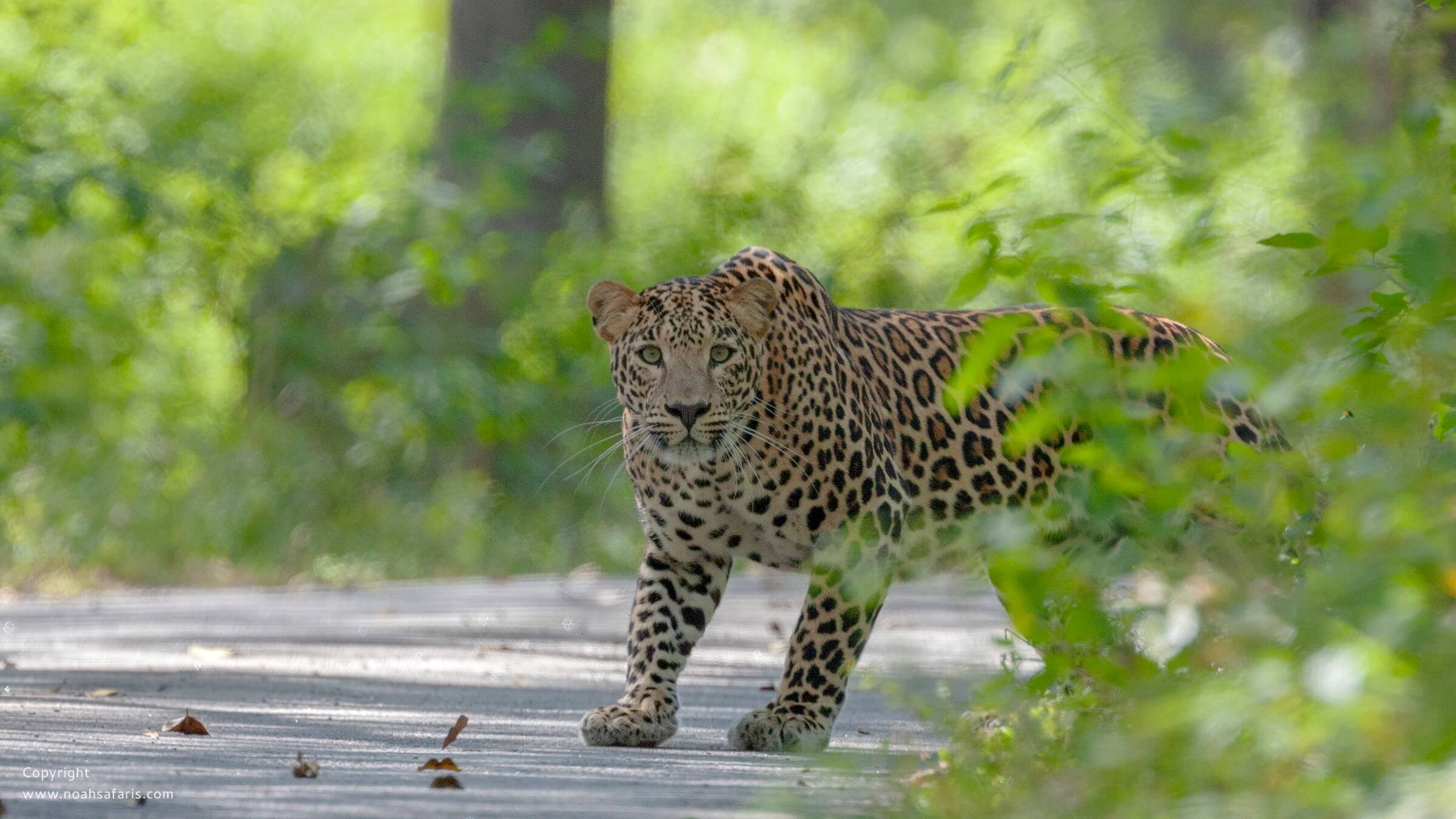
India’s rich biodiversity and wilderness is home to myriad wildlife species, ecological hotspots, mountains, rivers and varied landscapes. It is the home of royal Bengal tigers, Asiatic sloth bears, dholes, elusive leopards, and hundreds of bird species chirping across the length and breadth of this country.
Responsible wildlife travel isn’t just about going on safaris, treks, nature walks and spotting animals, it’s about ethical travel practices, minimal ecological footprints, supporting local communities, providing funds to conservation based NGOs and forest dweller groups, assuring that your visit contribute to the economic and social well-being of the people not degrading it.

Best Practices for a Responsible Wildlife Travel
Here’s few important guidelines for travellers – what to do before, during and after your wildlife safari trip to India.
- Before booking your safaris, lodge and transfers look for eco-certified lodges, ethical safari tour operators and sustainable travel planner or consultants
- Pack and carry eco-friendly travel essentials (reusable bottles, cloth bags, biodegradable toiletries) Avoid plastics and packaging foils as much as possible
- Support local guides, naturalists, local crafts and forest produce souvenirs. You can also promote their work on your social media platforms
- Follow the national park rules, safari do’s and don’ts, camp rules and respect other religious customs and practices during your visit to India
- While on safari and your visit to national parks, interact with guides, naturalists and locals. Understand their issues and see how best you can help them without interfering in the forest laws, local rights and issues
- Switch off using your digital devices for few days, immerse in nature and it bring clarity and calmness to your thoughts and life
- Connect, reflect and learn from mother earth, embrace moments of meditation, mindfulness and personal growth
“A conscious traveller protect the wilderness which they call their home”